الشباب (گروه شبهنظامی)
| الشباب حرکة الشباب المجاهدین | |
|---|---|
 | |
| رهبران | احمد دیریه |
| سخنگو | علی محمد راج |
| تاریخ فعالیت | ۲۰۰۶ تاکنون |
| مناطق فعالیت | جنوب سومالی |
| ایدئولوژی | افکار سید قطب |
| بخشی از | شبکه القاعده |
| متحدان | |
| مخالفان |  سومالی سومالی ایالات متحده آمریکا ایالات متحده آمریکا |

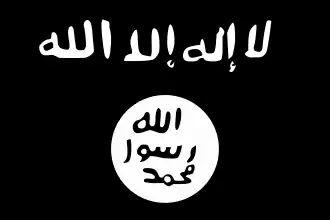
جنبش جوانان مجاهد (به عربی: حركة الشباب المجاهدين) معروف به الشباب یک گروه سیاسی دولت خواهی سومالیایی است که از سال ۲۰۱۲ بخشی از شبکه القاعده شدهاست.[۵] این گروه در گذشته بخشهایی از مرکز و جنوب سومالی را در کنترل خود داشت اما در سال ۲۰۱۵ شهرهای بزرگ را از دست داده و تنها چند منطقه روستایی را در تصرف خود دارد.[۶] هرچند که در سال ۲۰۲۵ در حملات به شبل میانه توانست شهرهایی مانند منطقه ادان یابال را پسبگیرد.[۷] مانند تعداد سربازان الشباب در سال ۲۰۱۴ بین ۷ تا ۹ هزار نفر برآورد شدهاست.
| بخشی از سلسله مقالات درمورد اسلامگرایی |
|---|
 درگاه اسلام درگاه اسلام |
این گروه در فهرست سازمانهای تروریستی ایالات متحده، بریتانیا، کانادا، استرالیا و امارات قرار دارد. الشباب هدف خود را «جهاد علیه دشمنان اسلام» میداند و بارها به نیروهای دولتی و اتحادیه آفریقا در موگادیشو حمله کردهاست.[۸] و عملیاتهای خونباری را هم در سایر نقاط آفریقا انجام دادهاست.
این گروه در جریان جام جهانی ۲۰۱۴ برزیل، دهها تماشاگر این بازیها را قتلعام کردند.[۹] در سال ۲۰۱۳ با حمله به یک مرکز خرید در نایروبی، پایتخت کنیا ۶۷ نفر را کشتند و در دوم آوریل ۲۰۱۵ با حمله به خوابگاه دانشجویان دانشگاه «گاریسا» در کنیا ۱۴۸ دانشجوی مسیحی را کشتند. هر دو حمله توسط مردان نقابدار مسلح انجام شد که افراد را به رگبار گلوله میبستند.[۱۰]
منابع مالی
تجارت عاج فیل، یکی از مهمترین منبع مالی الشباب و بوکوحرام است. عاج در کشور مبدأ، کیلویی صد دلار به واسطهها فروخته میشود، اما زمانی که به چین یا تایلند میرسد کیلویی ۲۱۰۰ دلار قیمت پیدا میکند.[۱۱]
منابع
- ↑ Multiple sources:
- Fraser-Rahim, Muhammad (17 July 2020). "In Somalia, Iran Is Replicating Russia's Afghan Strategy". Foreign Policy. Archived from the original on 17 July 2020.
Somali military officials maintain that Iran has been running secret operations to undermine the United States in Somalia, providing sophisticated weapons, improvised explosive100000 als used to make bombs. The military officials allege that Iran and its proxies are complicit in al-Shabab attacks on the U.S. military, Somali forces, and the African Union Mission in Somalia
- "The Growing Relationship between Iran and al-Shabab Movement in Somalia: Motives and Potential Consequences". Emirates Policy Center. Archived from the original on 8 December 2022. Retrieved 27 July 2020.
For Iran, working with non-State actors such as Al-Shabaab and the Houthis is an essential part of its foreign policy, aimed at expanding its geopolitical influence throughout the region. Tehran has developed an unspoken alliance with Al-Shabaab with the aim of creating a covert intelligence network that will allow it to achieve its goals and support its interests in the Middle East and Africa.
- "Al-Qaeda Affiliate Reportedly Using Iran As Transit Point For Banned Exports". RFE/RL. 13 October 2018. Archived from the original on 9 October 2018.
- Fraser-Rahim, Muhammad (17 July 2020). "In Somalia, Iran Is Replicating Russia's Afghan Strategy". Foreign Policy. Archived from the original on 17 July 2020.
- ↑ Multiple sources:
- Bashir, Hamdi (7 October 2020). "The Future of the Role of Iran's Quds Force in Africa". Emirates Policy Center. Archived from the original on 8 December 2022.
The Quds Force has been working with agents and allies, such as Lebanon's Hezbollah and Somalia's Al-Shabaab, which are thought to have recently established relations with the Quds Force.
- Fazeli, Yaghoub (19 July 2020). "Iran linking with Somalia's al-Shabab to funnel weapons to Houthis". Al Arabiya. Archived from the original on 11 February 2021.
- Fraser-Rahim, Muhammad (17 July 2020). "In Somalia, Iran Is Replicating Russia's Afghan Strategy". Foreign Policy. Archived from the original on 17 July 2020.
Somali police and finance ministry officials claim the Quds Force uses these networks to smuggle Iranian oil into Somalia and then sell cheap oil across Africa to subvert U.S. sanctions, with some of the proceeds used to support militants in Yemen and Somalia
- Bartell, Dawn L.; Gray, David H. (Fall 2012). "Hezbollah and Al Shabaab in Mexico". Global Security Studies. 3 (4): 100–112. Archived from the original on 24 March 2023.
- Bashir, Hamdi (7 October 2020). "The Future of the Role of Iran's Quds Force in Africa". Emirates Policy Center. Archived from the original on 8 December 2022.
- ↑ Multiple sources:
- Houreld, Katharine (10 November 2021). "Iranian-supplied arms smuggled from Yemen into Somalia, study says". Reuters. Archived from the original on 10 November 2021.
Guns supplied by Iran to its Houthi allies in Yemen are being smuggled across the Gulf of Aden to Somalia, according to a Geneva-based think tank, where al Qaeda-linked al Shabab insurgents are battling a weak and divided government.
- Redondo, Raúl (20 July 2020). "Iran allies with Al-Shabaab in Somalia to distribute arms to Houthi rebels". Atalayar. Archived from the original on 19 August 2023.
Iran has established links with the jihadist group Al-Shabaab in Somalia to attack United States and other international forces in the African country and the region and to supply arms to Houthi rebels in Yemen
- Fazeli, Yaghoub (19 July 2020). "Iran linking with Somalia's al-Shabab to funnel weapons to Houthis". Al Arabiya. Archived from the original on 11 February 2021.
- Houreld, Katharine (10 November 2021). "Iranian-supplied arms smuggled from Yemen into Somalia, study says". Reuters. Archived from the original on 10 November 2021.
- ↑ Multiple sources:
- Ahmed, Guled (9 February 2021). "As Farmaajo digs in with Qatari backing, Somalia's election crisis grows worse". Middle East Institute. Archived from the original on 9 February 2021.
Qatar has allegedly used al-Shabab to target groups it has identified as opposing its interests, including Somali politicians critical of Doha's role in the country and outside actors like the United Arab Emirates
- Lynch, Colum (28 November 2012). "Qatar's support for Islamists muddles its reputation as neutral broker in Mideast". The Washington Post. Archived from the original on 2 December 2012.
Qatar's cultivation of African Islamists, principally Somalia's al-Shabab insurgents, has similarly troubled the United States, which has accused the movement of providing a haven for al-Qaeda militants involved in attacks against Americans
- Karam Singh; Awad Mustafa (2 August 2017). "Qatar in the Horn of Africa: Friend or Foe?". Small Wars Journal. Archived from the original on 3 August 2017.
 حوثیها (ادعا شده، رد شده توسط حوثی ها)[۳]<ref>UN sources:
- "Final report of the Panel of Experts on Yemen established pursuant to Security Council resolution 2140 (2014)" (PDF). un.org. UN Security Council. 11 October 2024. pp. 2, 12. Archived from the original (PDF) on 8 November 2024.
In addition, increased smuggling activities involving small arms and light weapons are observed between the Houthis and Al-Shabaab, with indications of shared military supplies or a common supplier. ... Houthis are evaluating options to carry out attacks at sea from the Somali coast. To that end, they are strengthening ties with the terrorist group Harakat Al-Shabaab Al-Mujaahidiin (Al-Shabaab).
- "UN experts say Houthis collaborated with Al-Qaeda to weaken Yemeni government". Arab News. 3 November 2024. Archived from the original on 8 November 2024.
- "UN Panel of Experts Report Reveals Houthi Militia's Relationship with Al-Qaeda and Al-Shabaab Movement in Somalia". Yemen Shabab Net. 2 November 2024. Archived from the original on 8 November 2024.
- Ahmed, Guled (9 February 2021). "As Farmaajo digs in with Qatari backing, Somalia's election crisis grows worse". Middle East Institute. Archived from the original on 9 February 2021.
- ↑ «دستگیری بجرم تراشیدن ریش». بایگانیشده از اصلی در ۲ ژانویه ۲۰۱۳. دریافتشده در ۹ ژانویه ۲۰۱۰.
- ↑ "UN Points to Progress in Battling Al-Shabab in Somalia" بایگانیشده در ۱۸ ژانویه ۲۰۱۶ توسط Wayback Machine VOA. 3 January 2015.
- ↑ «Al Shabab Seizes Adan Yabal Town». Mareeg (به انگلیسی). ۲۰۲۵-۰۴-۱۶. دریافتشده در ۲۰۲۵-۱۰-۳۱.
- ↑ تعهد اسلامگرایان سومالیایی به اعزام پیکارجو به یمن
- ↑ «الشباب دهها تماشاگر بازیهای جام جهانی را در کنیا قتلعام کرد». بخش فارسی دویچهوله. دریافتشده در ۱۷ ژوئن ۲۰۱۴.
- ↑ الشباب: در کنیا حمام خون جاری خواهیم کرد رادیو زمانه، ۱۵ فروردین ۲۰۱۵
- ↑ عاج فیل، 'منبع مالی بوکوحرام و الشباب' بیبیسی فارسی، ۳ فروردین ۱۳۹۴
| |||||
| مشارکتکنندگان |
| ||||
| درگیریها |
| ||||
| جستارهای وابسته |
| ||||
 درگاه:جنگ درگاه:جنگ | |||||