تقدسزدایی از دانش
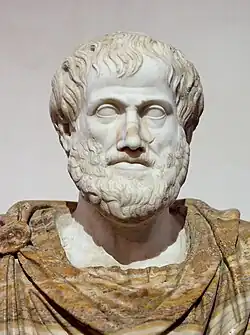
در فلسفه سنتگرایانه، تقدسزدایی از دانش (به انگلیسی: Desacralization of knowledge) یا عرفیشدن دانش [note ۱] [note ۲] فرایند جداسازی دانش از منبع الهی آن یعنی خدا یا واقعیت نهایی است. این فرایند منعکسکننده یک جابجایی پارادایم دربرداشت نوین از دانش است، زیرا آیات الهی و همچنین ایده مبانی معنوی و متافیزیکی دانش را رد کرده و دانش را تنها به حوزه تجربی و عقل محدود میکند. اگرچه این موضوع بهطور پیدرپی در میان نویسندگان مکتب سنتگرا [note ۳] است که با رنه گنون، عارف و روشنفکر فرانسوی که قبلاً از «محدودیت دانش به پایینترین مرتبه آن» سخن گفته بود، آغاز شد، [note ۴] روند تقدسزدایی از دانش بیشتر توسط فیلسوف ایرانی سید حسین نصر در سخنرانیهای گیفورد در سال ۱۹۸۱ بررسی، وقایعنگاری و مفهومسازی شد که بعدها با عنوان معرفت و معنویت منتشر شد.
جستارهای وابسته
- تقدس
- افسونزدایی
- کمربند پاکدامنی
- هتک حرمت
- سکولاریزاسیون (اموال کلیسا)، مصادره اموال کلیسا توسط دولت
منابع
- ↑ (Howard 2011)
- ↑ (Aslan 1998، ص. 119).
- ↑ (Largo 1982، ص. 219).
- ↑ (Khan 2017، ص. 75).
- ↑ (Guenon 1927، ص. 16).


- ↑ Adnan Aslan, for example, comments that "The secularization process first began when a line was drawn between the realm of the sacred and the realm of the profane." Humans asserted their freedom from God in a rebellion against Heaven. As a result, "the sacred qualities of the human faculty of knowledge were ignored, thereby initiating the process of secularization of knowledge."[۲]
- ↑ In his review of Knowledge and the Sacred, Gerald Largo states that Nasr analyzes "the causes of the intellectual and spiritual chaos of modern times, namely, the eclipse of the sapiential dimension and the secularization of knowledge."[۳]
- ↑ According to Aalia Sohail Khan, the traditionalists condemned "profane philosophy" and scientism "as the only legitimate manner of knowing the different levels of reality." She says traditionalists critiqued modern science for "its reductionism and its imperial conceit and pretensions in claiming to be the only mode of knowing." In contrast to postmodern critiques, which focus solely on the social and political repercussions of modernity, their main criticism of modern science was that it lacked metaphysical principles and was disconnected from Transcendental order and spiritual perspective. Their large body of work is founded on the "primacy of transcendence, sacred knowledge, value, truth and meaning created through intuition and revelation."[۴]
- ↑ In his 1927 book The Crisis of the Modern World, Rene Guenon criticizes "profane philosophy" and "profane science" or stated differently "the limitation of knowledge to its lowest order." According to Guenon, this concerns "the empirical and analytical study of facts divorced from principles, a dispersion in an indefinite multitude of insignificant details, and the accumulation of unfounded and mutually destructive hypotheses and of fragmentary views."[۵]
<ref> برای گروهی به نام «note» وجود دارد، اما برچسب <references group="note"/> متناظر پیدا نشد. ().